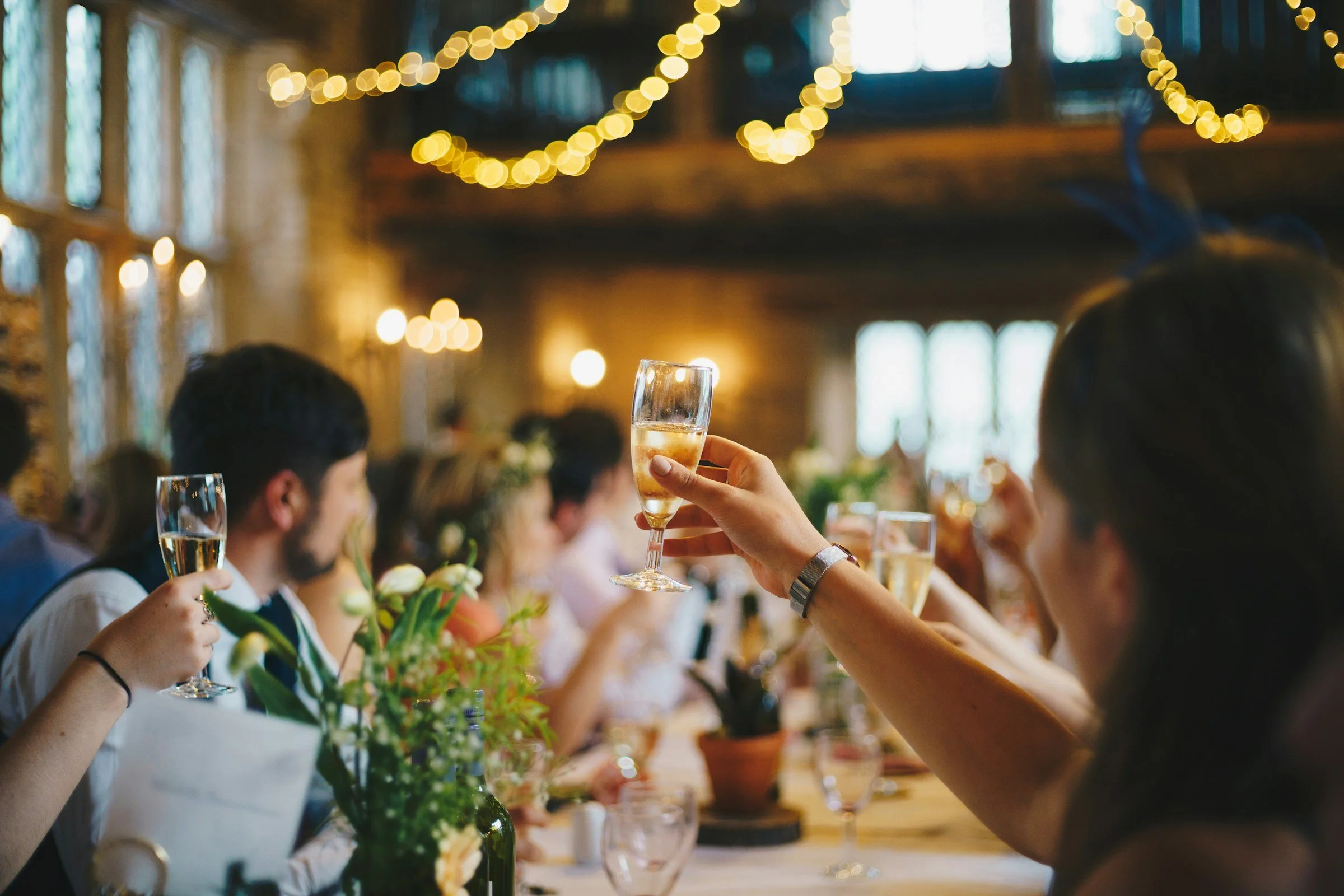
Polish Wedding 101
So you’ve been invited to your first Polish wedding! Congratulations!
You’re probably wondering: what makes Polish weddings so Polish?In this short guide Hubert will answer all your questions!
What is a Polish wedding?
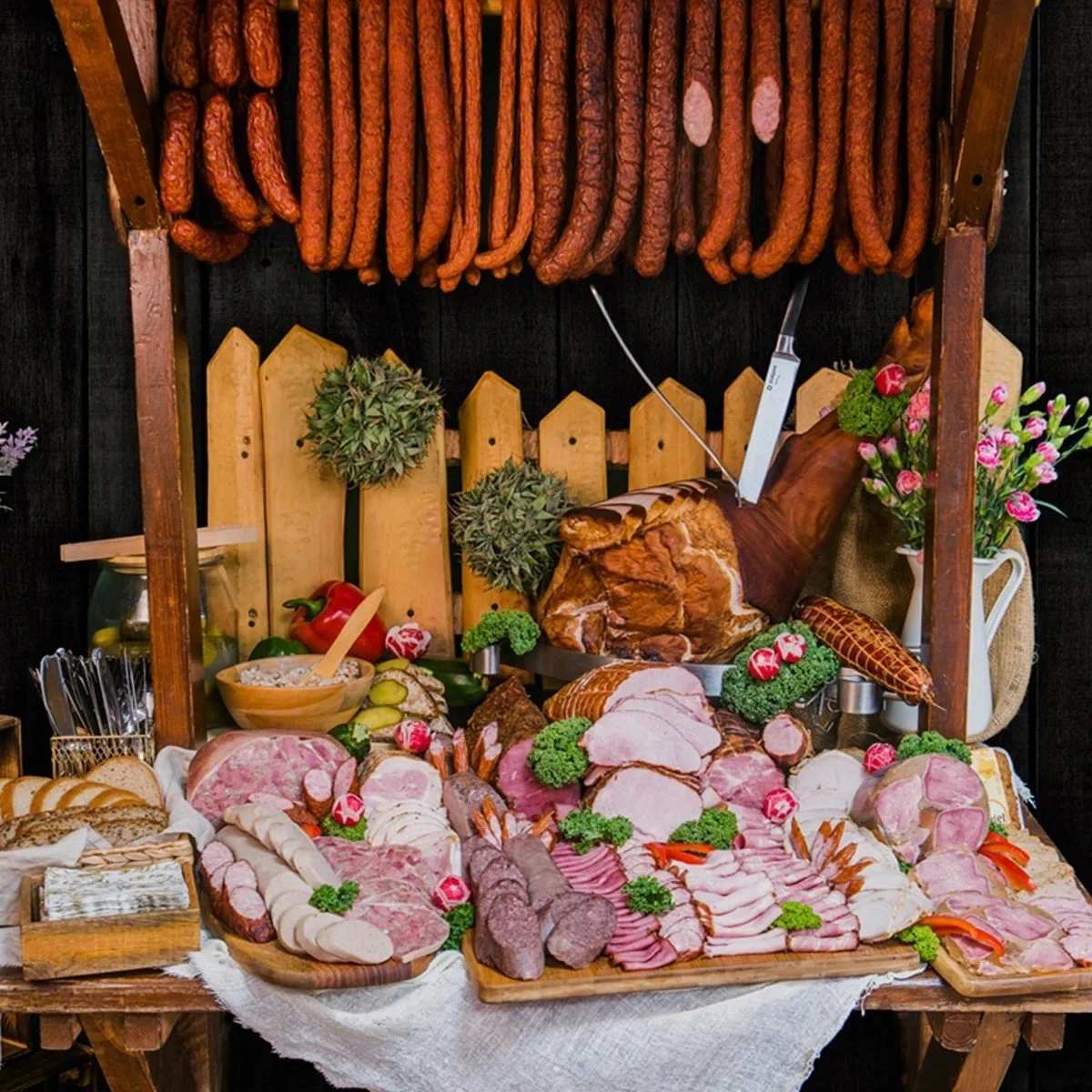
The village table
In simple terms — a Polish wedding, as a concept, is a wild, never-ending cycle of eating obscene amounts of food, drinking vodka, and dancing until you drop. And this cycle repeats itself all night long, until the very last guest leaves. It’s also a lot of fun! 😉
Now, to break it down: food — throughout the entire wedding, four hot meals will be served, each roughly two or three hours apart. The exact serving schedule and menu can be found on your tables. In addition to that, there will be endless amounts of food in the form of appetizers and a “village table.” The village table is mainly for connoisseurs of various types of meats (sausages, blood pudding, cold cuts, lard, etc.) and stronger spirits.
Speaking of spirits — vodka reigns supreme at Polish weddings, but bimber (homemade moonshine) also holds a solid place. You’ll notice that Polish guests tend to drink vodka or bimber as shots, but don’t feel obligated to follow their lead. Everyone should drink at their own pace to enjoy the celebration for as long as possible. An important element of Polish drinking culture is przepijanie — drinking something non-alcoholic in between shots to stay hydrated. That’s why soft drinks and juices will be available on your tables at all times. If you prefer other types of alcohol, there will be plenty to choose from our bartender — who also happens to be my cousin — who will be serving select cocktails, and one of the tables will offer a selection of beers (including non-alcoholic ones), as well as white and red wine.
Chleb i sól!
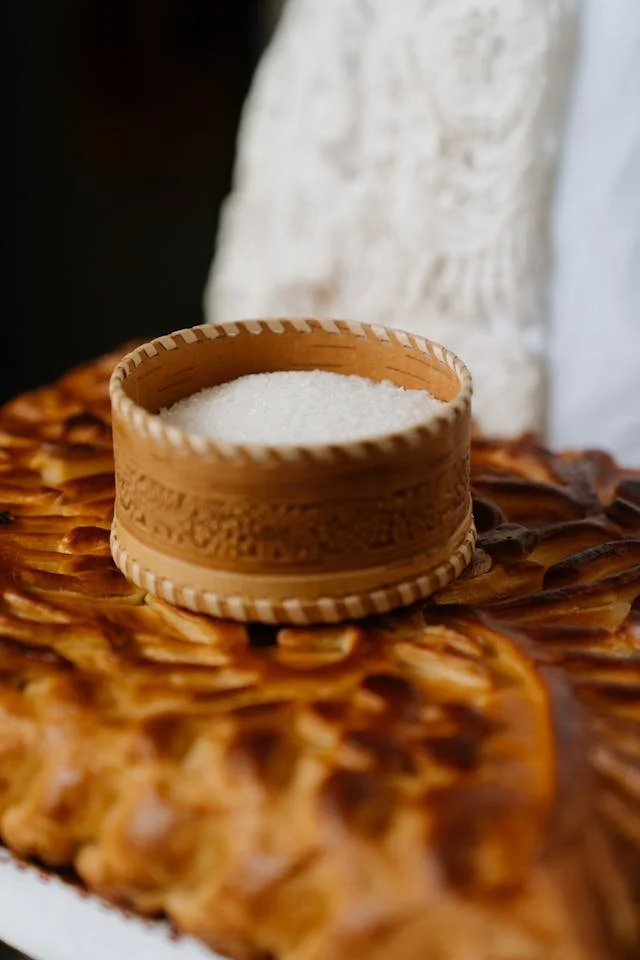
But first — before the guests take their seats and the celebration begins in full swing — we want to repeat our wedding vows in the gardens of Hotel Karo, our wedding venue. Traditionally, before entering the reception hall, the newlyweds are greeted by their parents with chleb i sól (bread and salt). This tradition has a lot of symbolism — the bread symbolises abundance, that the couple will never know hunger, while the salt represents life’s difficulties that they must learn to cope through together. Traditionally, the groom would also kiss a sickle as a sign of taking over the farm from his father, but since my father isn’t a farmer, we’ll probably skip that custom…
Afterwards, the bride and groom will be handed two shot glasses, one filled with water and one with vodka. The first glass is offered to the bride to choose. It is said that whoever consumes the vodka will be the leader in the marriage (let’s hope that Kady will choose wisely…) After the shot is taken, the glasses are thrown backwards over the shoulder of the couple and smash as a sign of good luck.
After the ceremony — usually still outside the church but in our case outside the venue — a reception line is formed, which is also common at international weddings! It’s a meet-and-greet and an opportunity for us to thank you personally for coming.
Now the party may begin!
What is oczepiny?
The biggest difference between a Canadian and Polish wedding is the structure — in Poland, the music (almost) never stops! The band acts as both MC and entertainment. Between courses, the band will invite all guests to the dance floor to work off the food and booze. When you return to your seats, the band will continue to play, even weaving their way through the tables. Expect people to clap, sway, and sing along!
You may also hear a toast gorzko! (GOSH-KO) throughout the evening! It translates as “bitter!” — it’s a way of asking the bride and groom to kiss (literally, to add a little sugar into vodka, otherwise guests won’t drink it). It’s similar to clinking glasses.
At midnight during every Polish wedding, a ritual called oczepiny takes place. This is an old wedding tradition known among most Slavic peoples, during which the bride symbolically transitions from maidenhood to married life. The name oczepiny comes from the czepiec — a traditional head covering worn by married women instead of a maiden’s floral wreath.
Although this tradition is fading today and has mostly turned into a series of humorous games, my parents still remember some of the wildest oczepiny from their youth, when the bride used to be “kidnapped” by bachelors from a neighboring village, and the groom had to chase after the kidnappers on horseback and “ransom” her with a crate of vodka.
Out of consideration for our foreign guests, we promise not to be quite so creative in planning our oczepiny — our wedding band, Red Combo, will surely come up with games that won’t cause you any cultural shock!
Party until dawn!
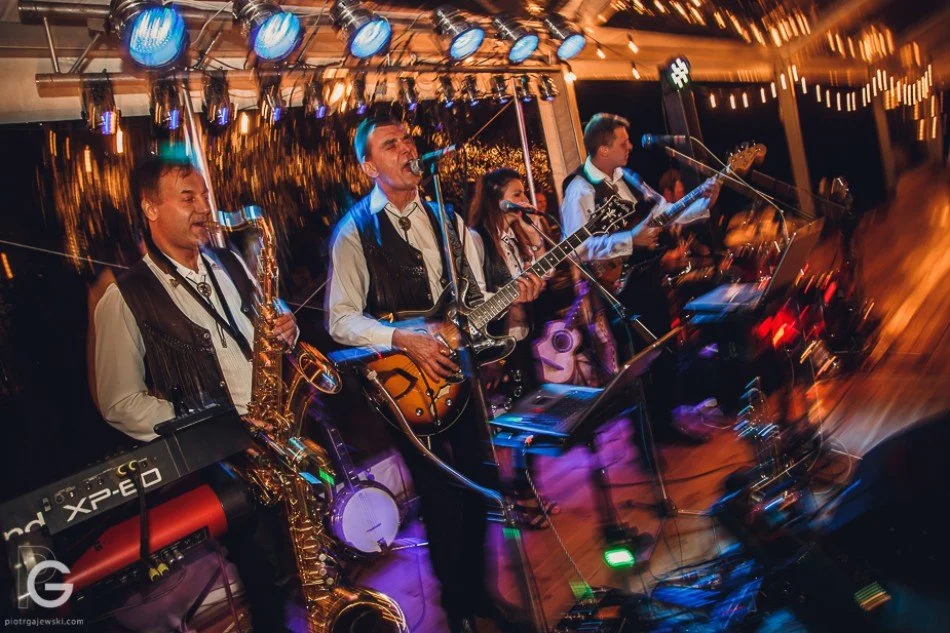
Red Combo
The entertainment for our guests will be provided by the local band Red Combo, which has experience performing at international weddings. We chose them not only because they’re local (the band leader lives literally five minutes from the wedding venue), but also because of their wide repertoire. While Polish weddings usually feature disco polo (something like German Schlager or Italian italo disco), Red Combo stands out from the competition by also playing rock & roll classics, dixieland, New Orleans jazz, and even Mariachi music… obviously in Polish!
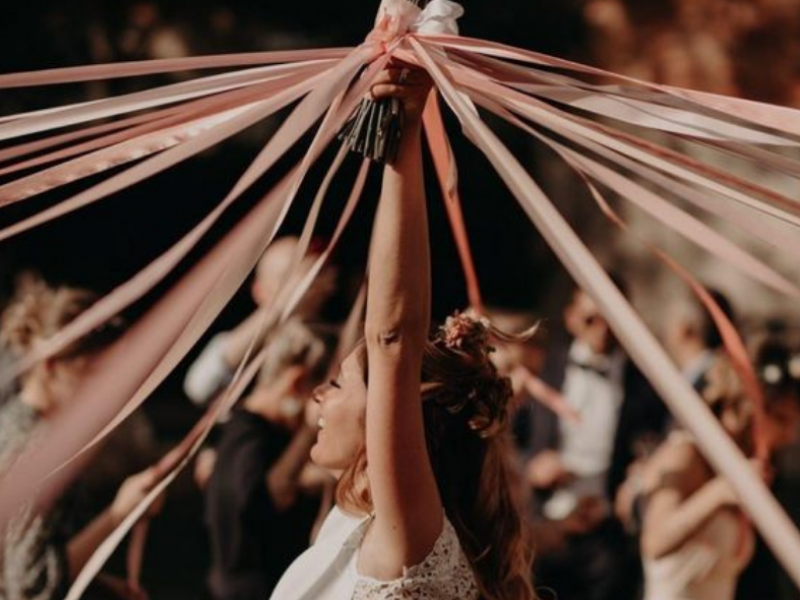
They will also provide some traditional wedding games such as musical chairs, tossing of the veil and bow tie, or zbieranie na wózek (literally “cradle fundraising” or just “cradle dance”). This is a traditional wedding game during which guests dance privately with the bride or groom in exchange for dropping money into special containers held by the witnesses. It’s a fun way to see each person, and also symbolically helps towards our new life together (hence the ‘cradle’ part!). Please also keep in mind that all of the groom’s aunties are eagerly waiting just for the “cradle dance” so that they can have an one-on-one dance with their favorite nephew. 😎
I hope that this short guide has made you look forward to the event even more! I don’t need to describe the rest of the details, because everything will work itself out — the most important thing is to have a great time! 🥳
See you in Poland!