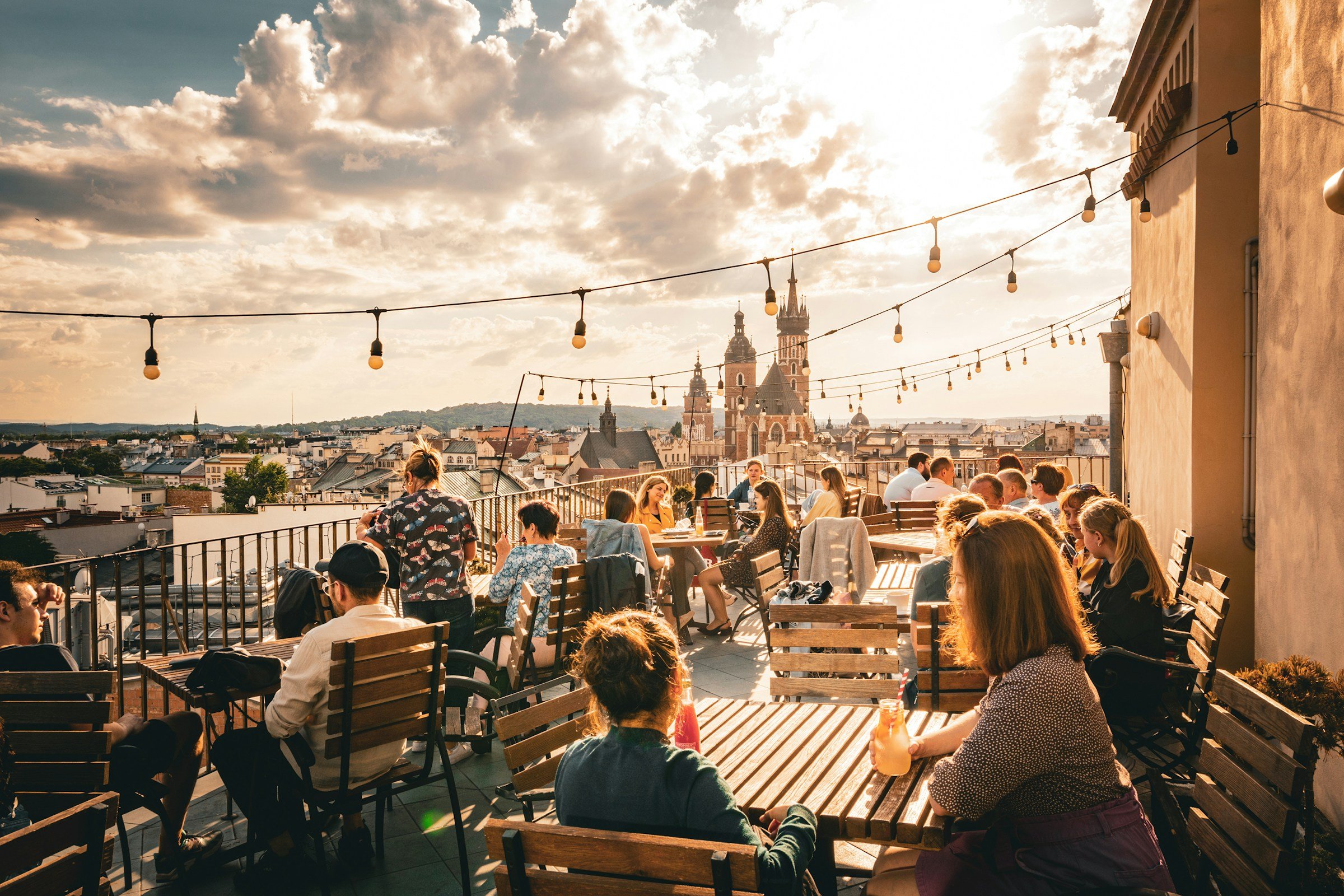
Things to do in Poland
If you decide to spend some time in Poland on your way to or from our wedding, Hubert has a few tips for you on how to plan your stay, what to see, and where to try some local delicacies.
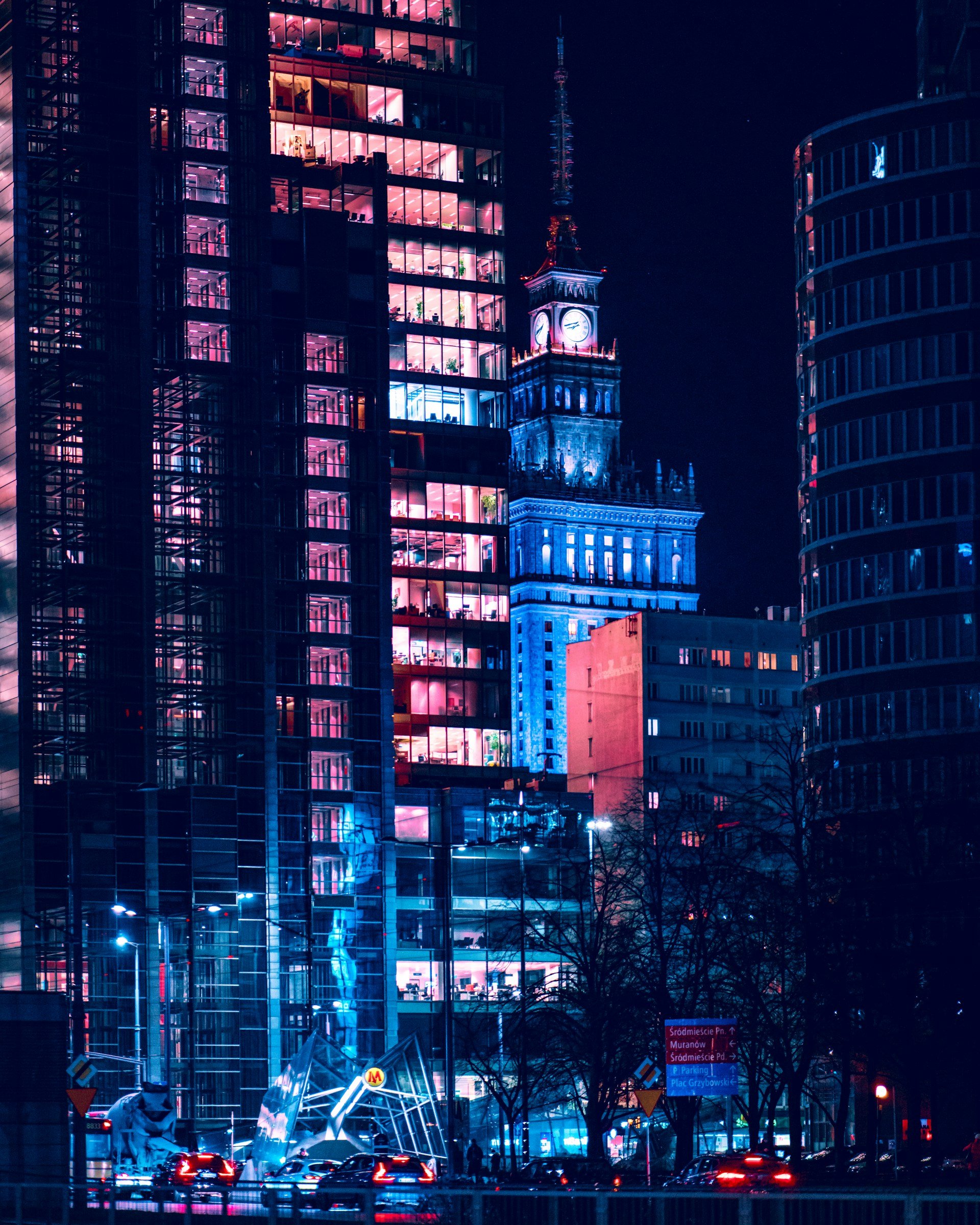
Warsaw
Warsaw is the capital and largest metropolis of Poland, as well as the country’s main business hub. Here, ultramodern skyscrapers mix with post-communist heritage and the charming, historical architecture of the Old Town.
This is also a city I visited quite a lot during the three years I spent at the Opera Academy at the National Opera. I have a bit of a love-hate relationship with it (probably because of the terrible traffic and road manners here), but despite that, it has its own unique charms, and I’m excited to share some of them with you.
How to get there:
From the Warsaw Chopin Airport, the S2 train runs every 30 minutes and reaches the city center in about 30 minutes. Additionally, there is a taxi stand and apps such as Uber, Bolt, and FreeNow are widely available.
Where to stay:
To have convenient access to the city’s main attractions, it’s best to find accommodation along the second metro line (M2), near stations such as Centrum Nauki Kopernik (e.g., Barceló Warsaw Powiśle, Sawa Boutique Hotel) or Rondo ONZ (e.g., The Westin Hotel, InterContinental). Another option is to find an Airbnb in one of the following districts: Powiśle, Mariensztat, Śródmieście Południowe or Stare Miasto (the Old Town). This way, all central districts of Warsaw are within a 20-minute walk or just 1–2 metro stops away.
Getting around:
Warsaw has two metro lines and an extensive network of trams and buses. Ticket machines are available both at metro stations and inside public transport vehicles.
IMPORTANT: A serious issue in large Polish cities is taxi scammers who charge exorbitant fares. If you’re hailing a taxi from the street or directly from a train station, always check the price list, which should be clearly displayed on the passenger-side window or dashboard. According to local regulations, the maximum taxi fare is 5 PLN per kilometer (plus a base fee, usually around 8 PLN).
-
![]()
The Old Town
One of the most remarkable things about Warsaw is that the entire historic city center was destroyed during and reconstructed after the World War II. All the charming streets and townhouses of the Old Town, although they look centuries old, are actually no more than 70–80 years old. Still, it’s worth getting lost in this UNESCO-listed site.
-
![]()
Łazienki Park
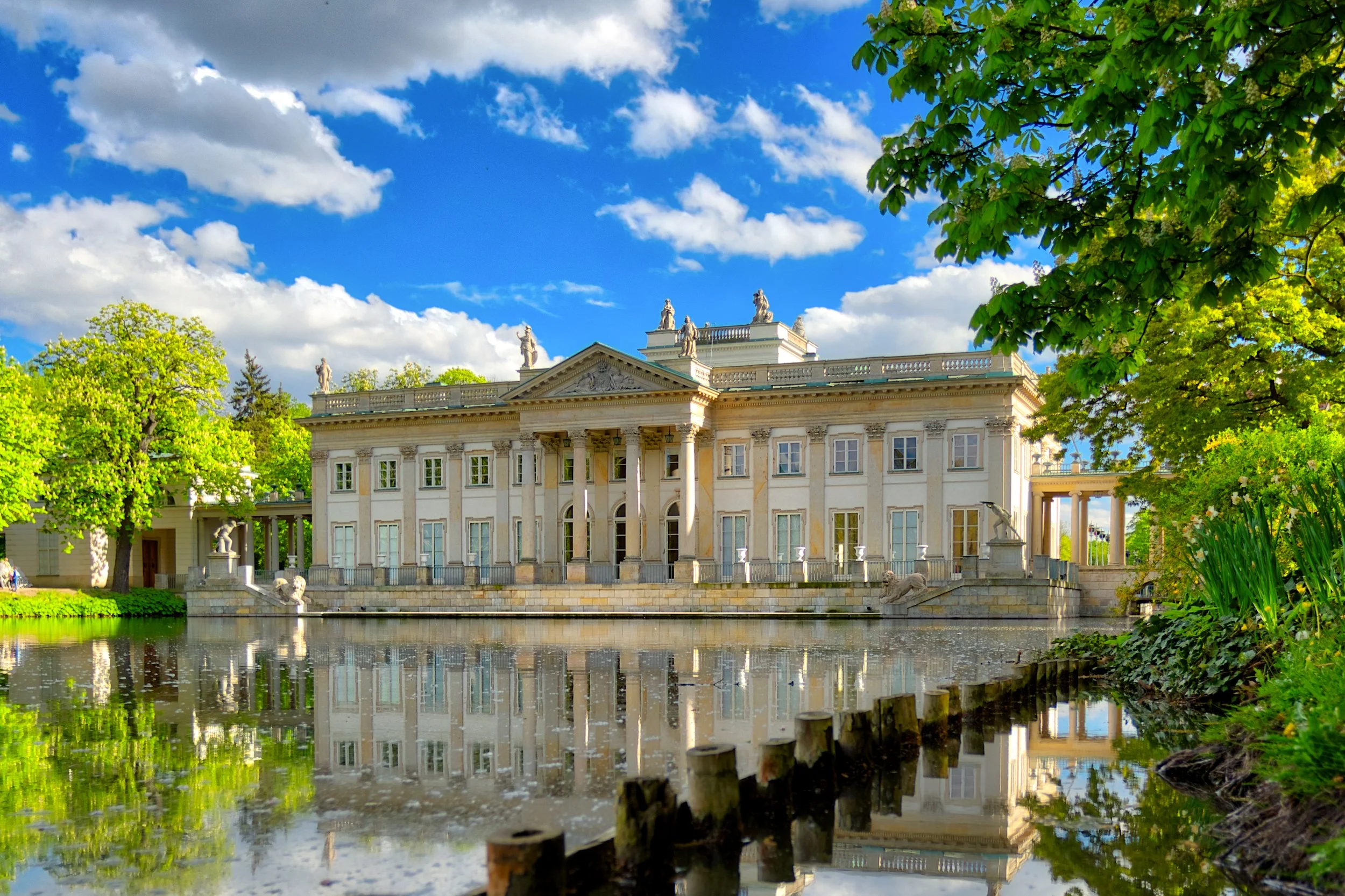
Łazienki Park is a favorite spot among Warsaw residents for leisurely walks. The centerpiece of the park is the Palace on the Isle (Pałac na Wyspie), and in its southwestern part stands the famous monument of Frédéric Chopin, where free piano recitals are held every Sunday at 12:00 PM and 4:00 PM.
-
![]()
Elektrownia Powiśle
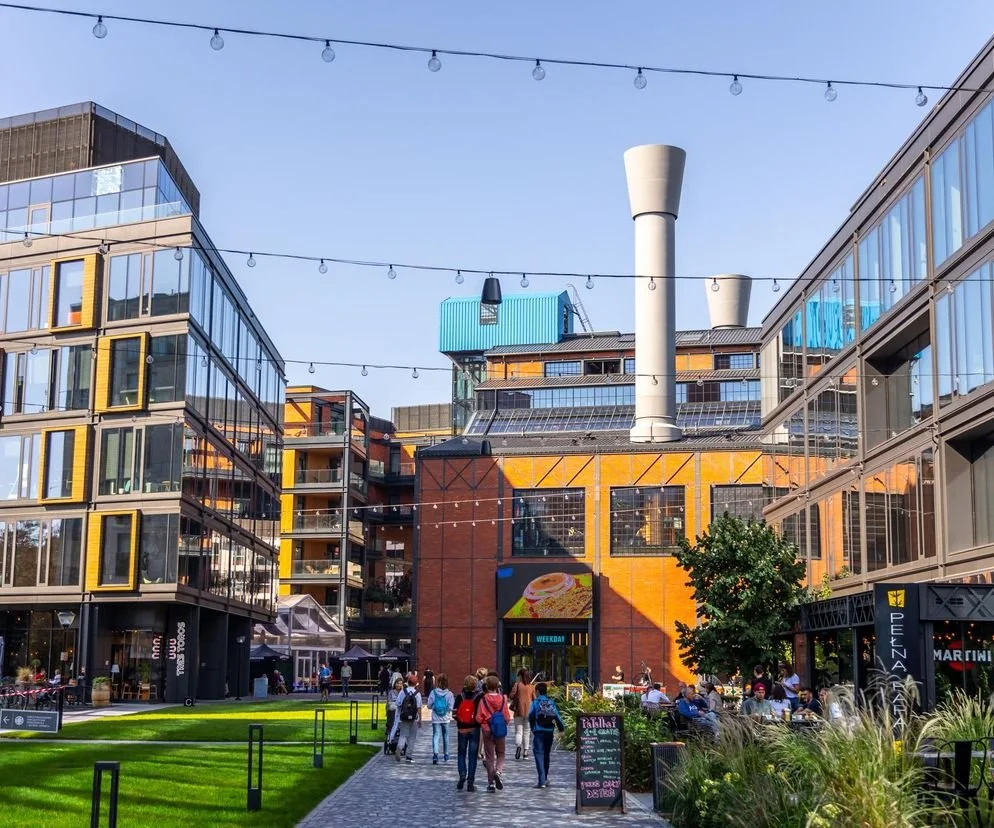
In recent years, many post-industrial spaces across Poland have been transformed into charming leisure complexes. A great example is the old Powiśle power plant, which has been converted into a shopping gallery featuring boutiques of Polish brands and designers. There’s also a food hall located in the basement.
-
![]()
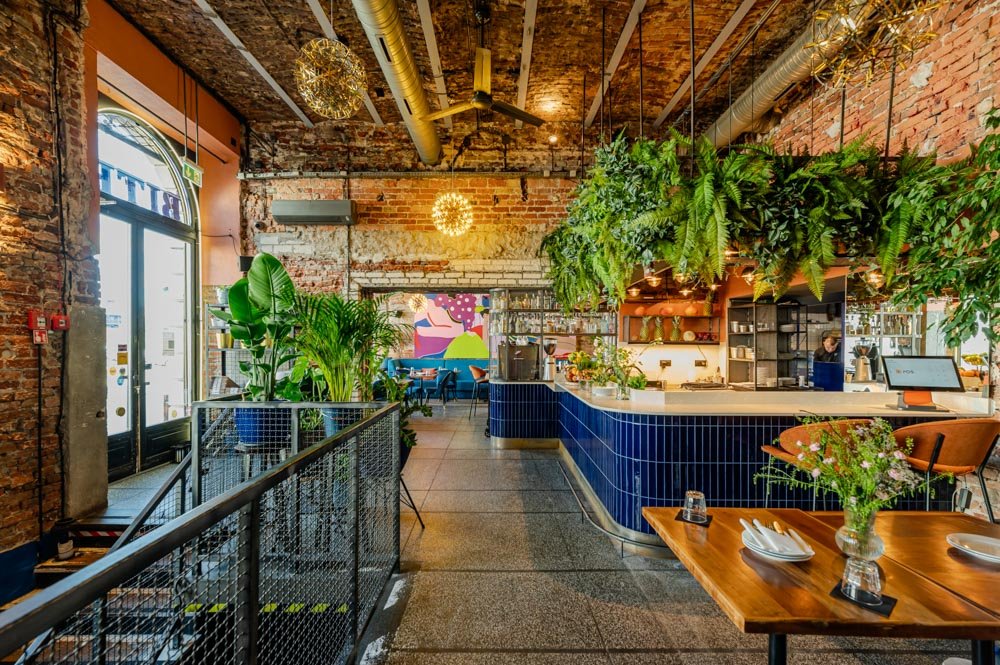
the BITES by Marcin Wachowicz
the BITES is a special place on my culinary map of Warsaw – countless brunches and coffees during breaks between rehearsals at the opera across the street. I recommend the Japanese-style beef tartare (the classic one is outstanding too!), but this spot also serves plenty of vegetarian options.
-
![]()
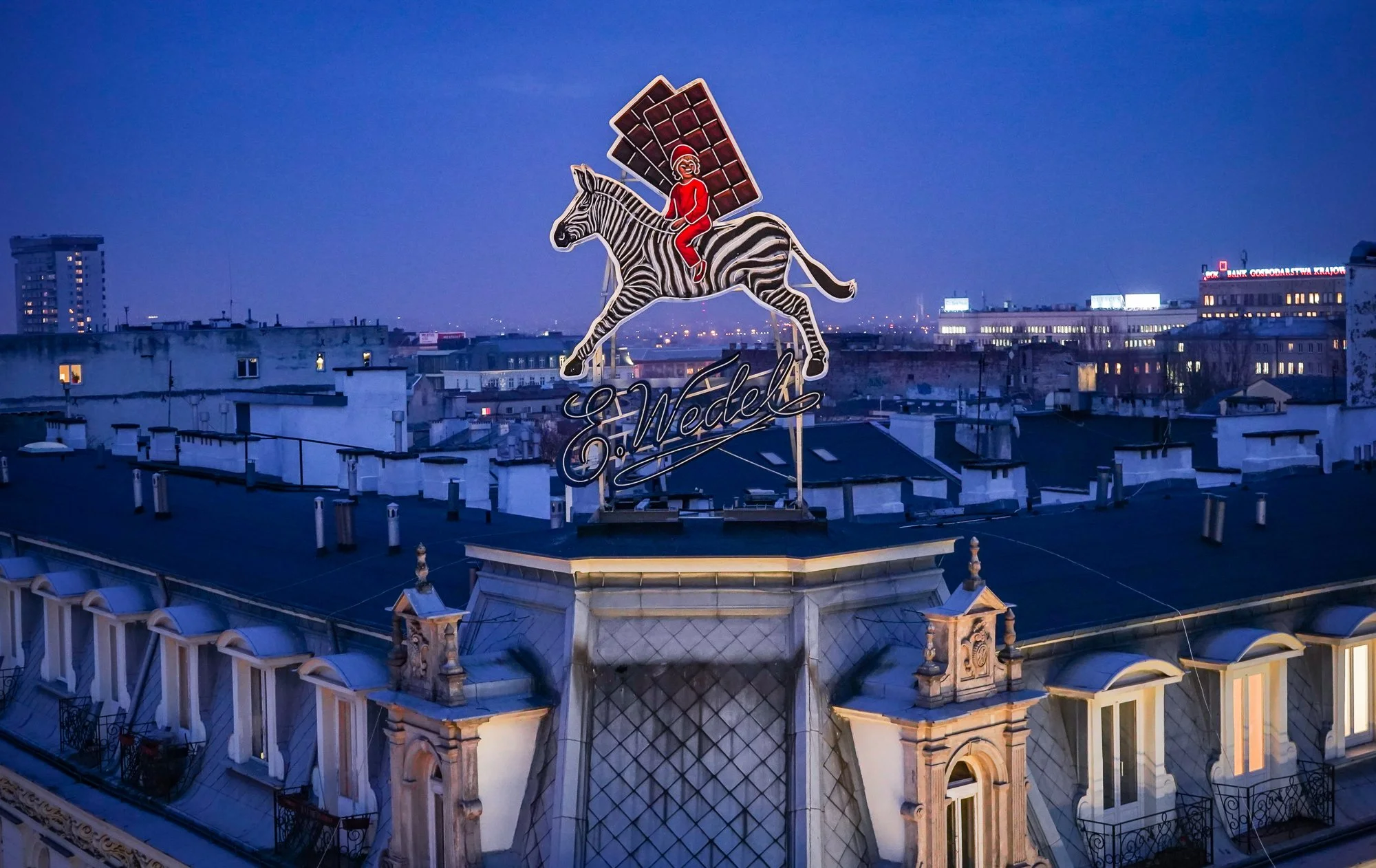
Wedel Chocolate Lounge
A classic spot for a first date with a newly discovered city – this Wedel chocolate lounge is located in a historic venue where Emil Wedel opened his first confectionery in 1851. Of course, it’s not just about drinking chocolate here – you can also buy their signature products, such as Ptasie Mleczko (literally “bird’s milk”).
-
![]()
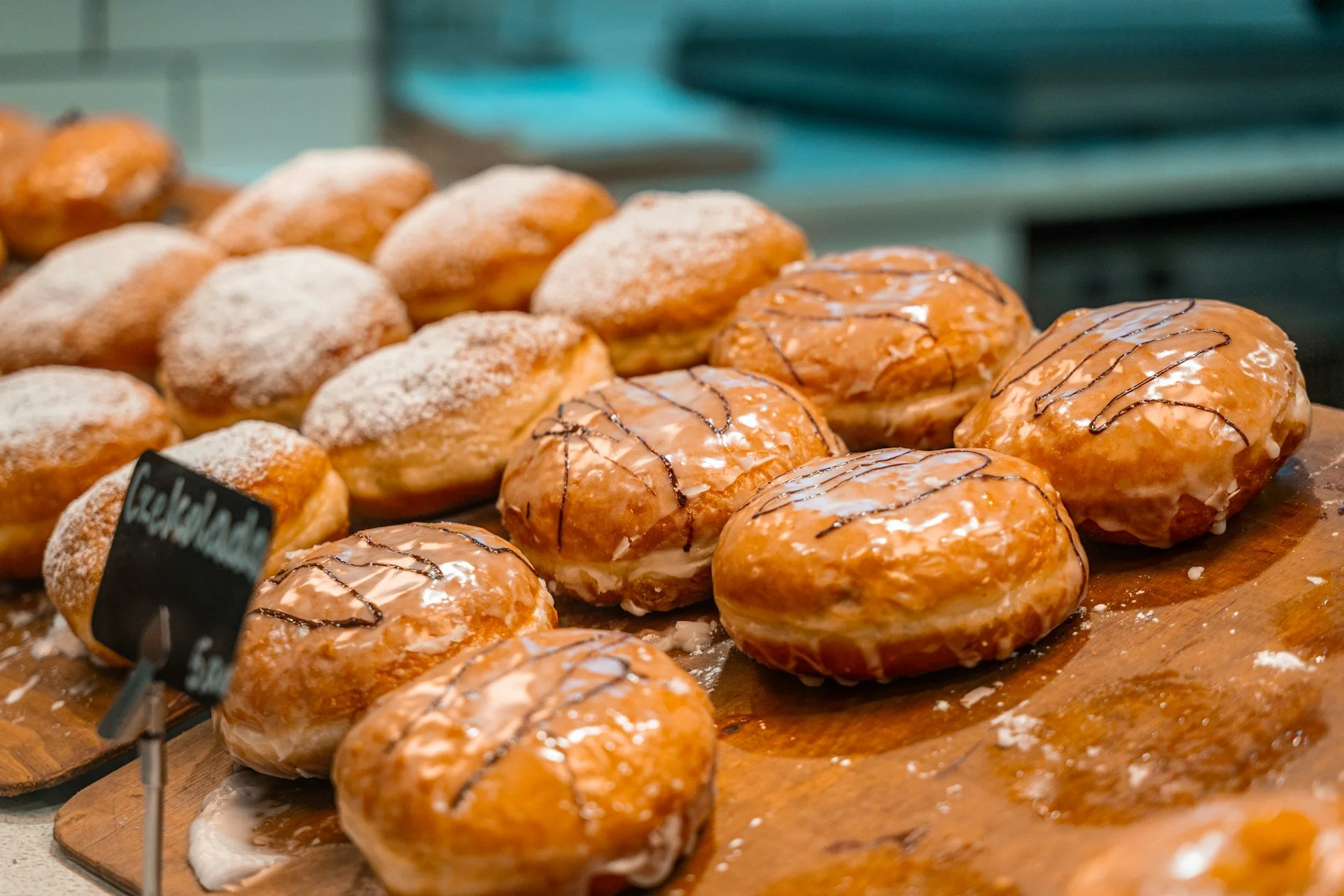
Blikle Café
As you may have already noticed, Polish cuisine is rich in both hearty meat dishes and sweets! A staple of an after-lunch afternoon coffee is cake, such as cheesecake, apple pie, or sometimes even pączki. Polish pączki are essentially doughnuts, but with filling inside. The most iconic ones are from Blikle, so make sure you stop by there.

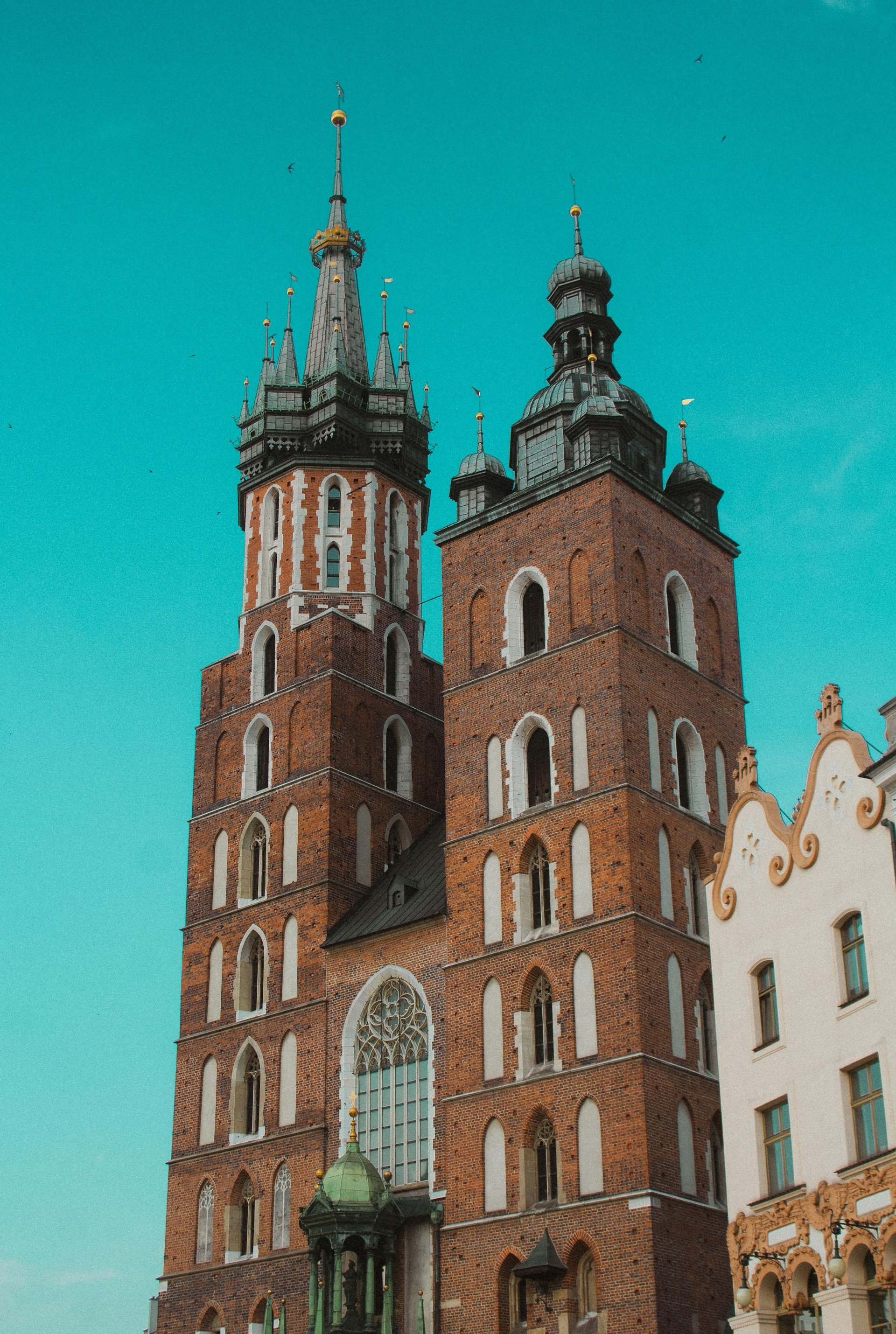
Kraków
Kraków, although no longer the political capital, still remains the intellectual and cultural heart of the country.
I took Kady to Kraków in October 2022 for her birthday, and at the same time, I was also performing at the Słowacki Theatre (by the way, a beautiful building worth pausing to admire). Back then we both agreed that Kraków and the nearby Tatra Mountains are places we would recommend to our wedding guests, so they can stay a little bit longer and experience Poland at its finest.
How to get there:
If you decide to travel by car from Radom, you need to continue south along the S7 expressway – the journey will take about 2 hours. If you’re traveling by train from Radom Główny station, there are several trains a day to Kraków Główny. The trip takes almost 3 hours, the ticket costs 55 PLN (second class) and the price doesn’t change over time.
Where to stay:
Since Kraków has preserved its medieval character and everything is within walking distance, it’s best to stay in one of the hotels along the Planty — a park created in the 19th century on the site of the old medieval fortifications, encircling the entire Old Town. Another option is a picturesque former Jewish district of Kazimierz, located just a 10-minute walk from the Old Town and Wawel Castle. In both areas, you’ll find hotels in a wide range of prices, from international chains (eg., Best Western, Radisson Blu) to some ambitious local establishments like Warszauer Hotel or 1891 Garni Hotel.
-
![]()
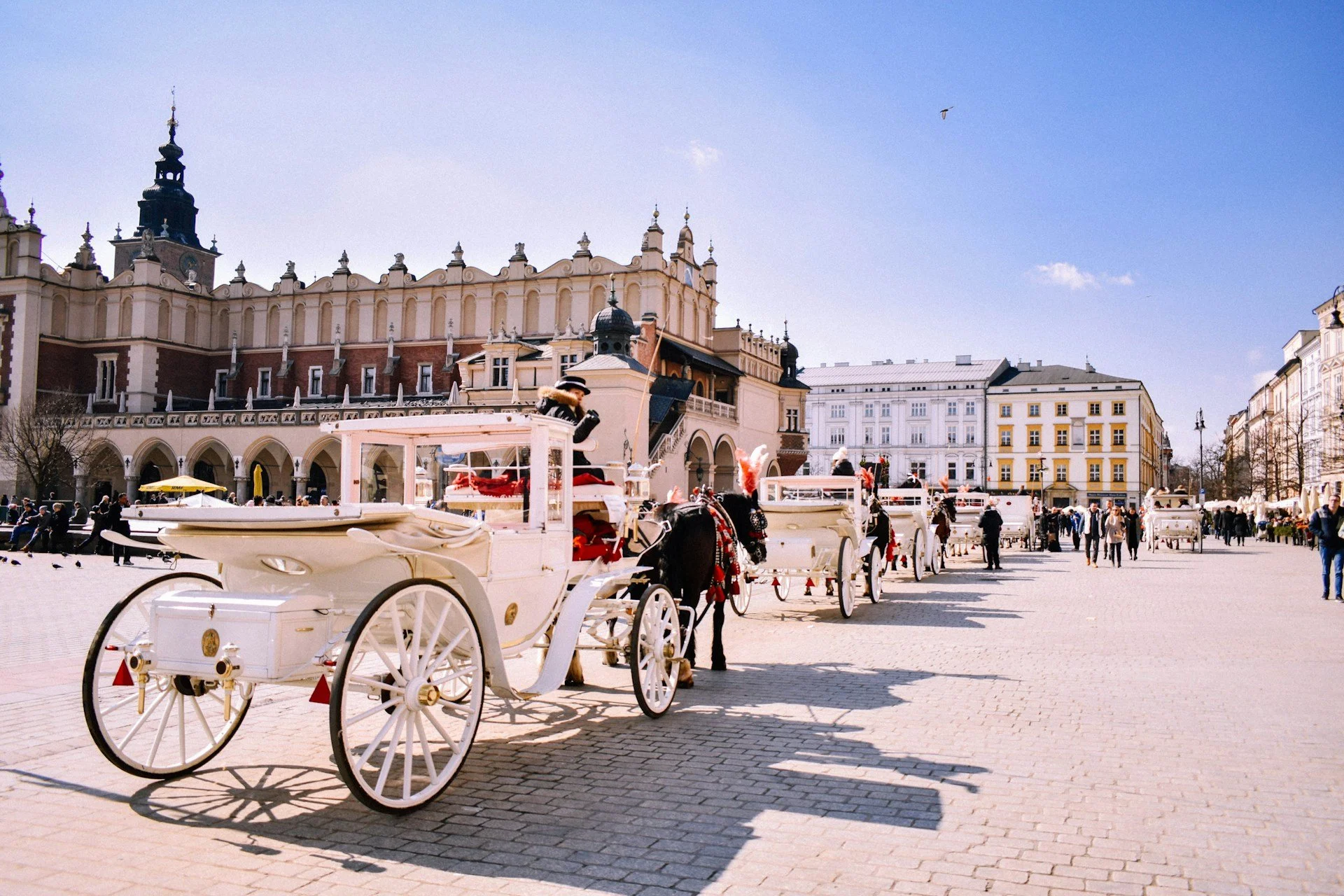
The Main Market Square
It’s the heart of Kraków! At its center stands the Sukiennice — a medieval market hall — which now houses a variety of handcrafted souvenirs. Around the square, there are plenty of clubs offering live jazz music every evening, such as Piwnica pod Baranami, Harris Piano Jazz Bar, and Klub pod Jaszczurami.
-
![]()
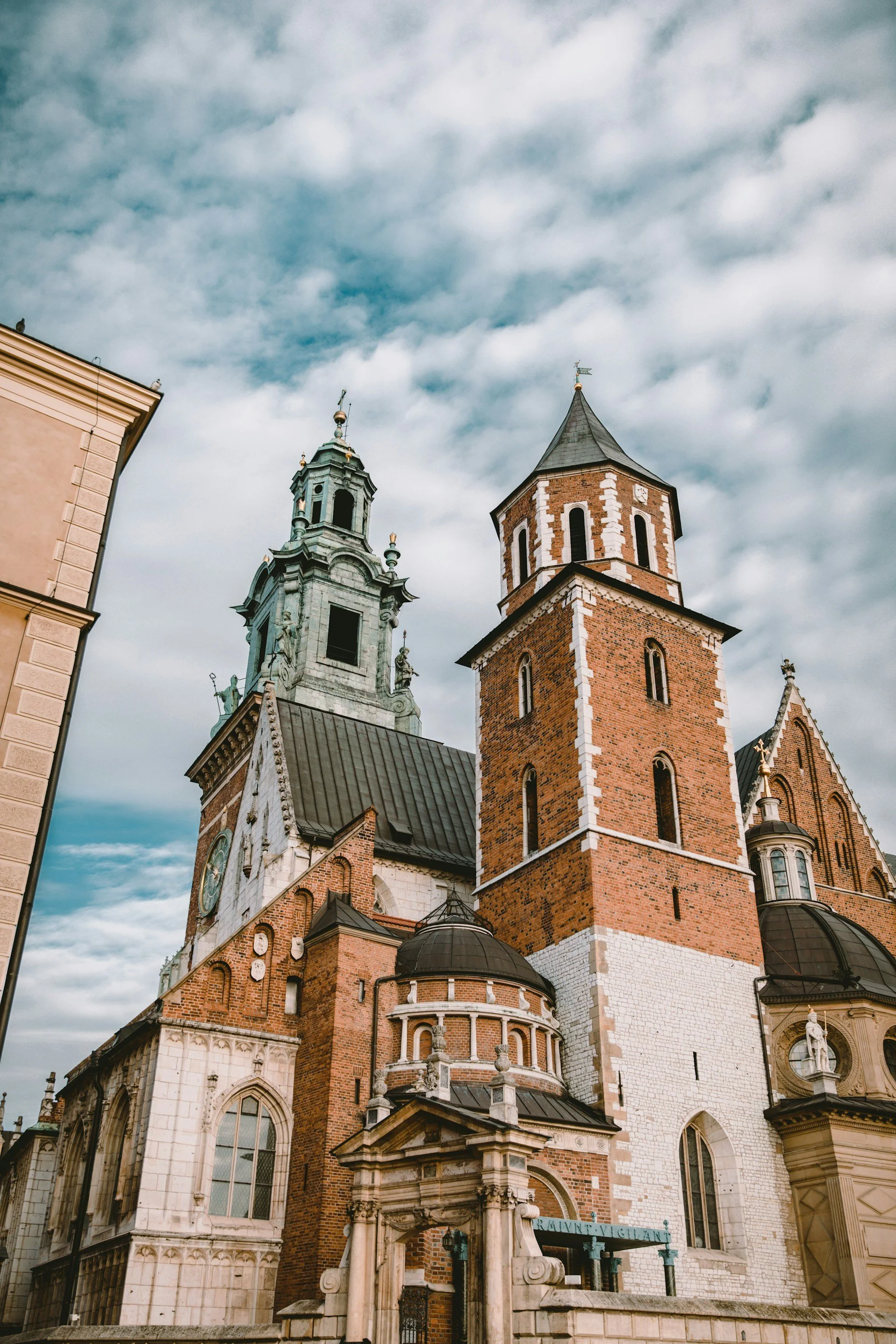
Wawel Castle
Wawel Castle is the jewel in the crown of all Polish historic monuments. For over 500 years (from 1038 to 1596, when Warsaw became the capital), this hill served as the royal residence and the center of political power. Today, the rooms of the royal castle form a rich museum showcasing centuries of heritage.
-
![]()
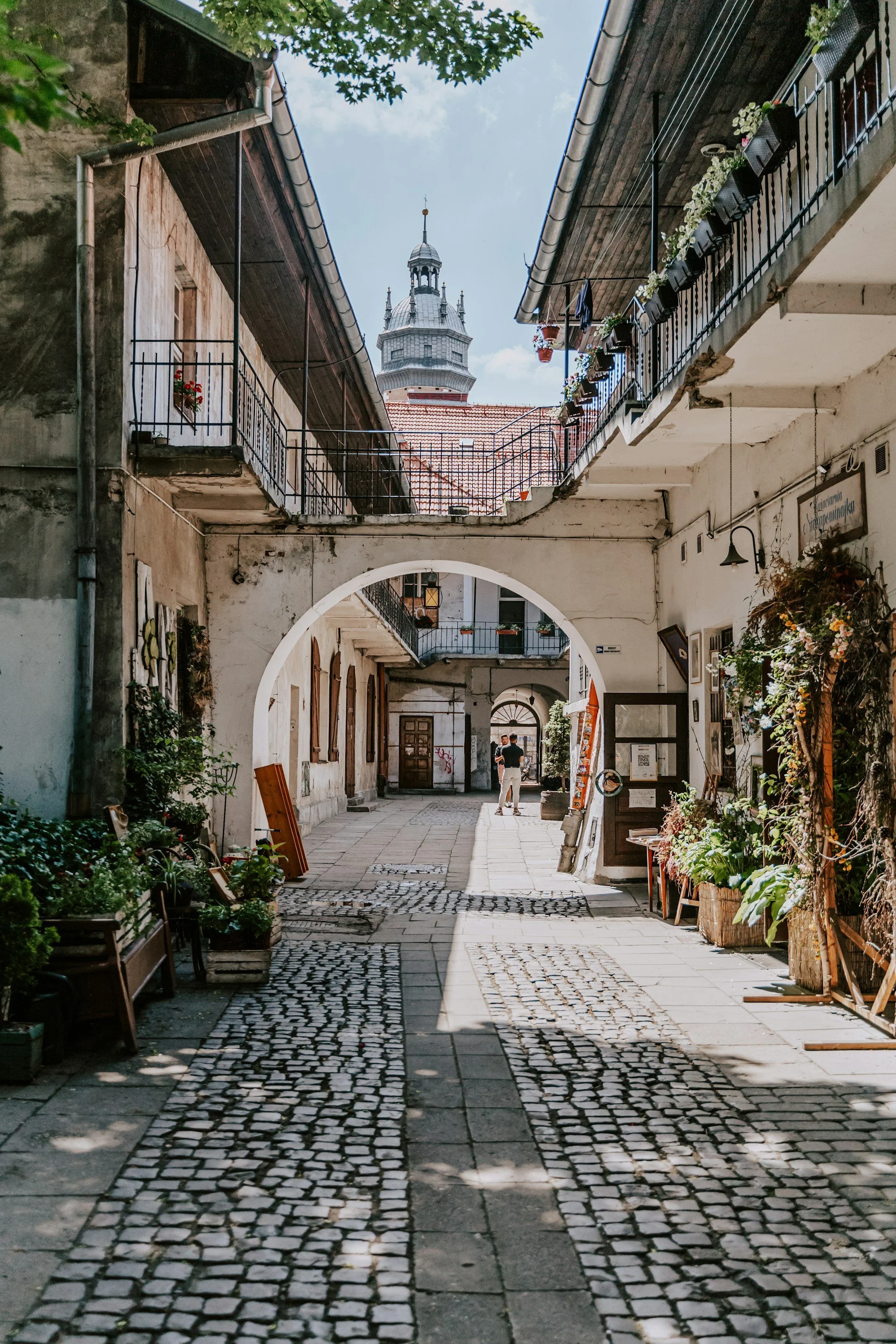
Kazimierz Old Jewish Quarter
A truly unique quarter, where you’ll find plenty of artistic cafés and pubs, such as Singer and Alchemia. And if you’d like to try some Polish wines, stop by BaraWino. In the center of the district stands the Okrąglak — a round market hall serving typical Polish street food, namely zapiekanki (open-faced baguettes).
-
![]()
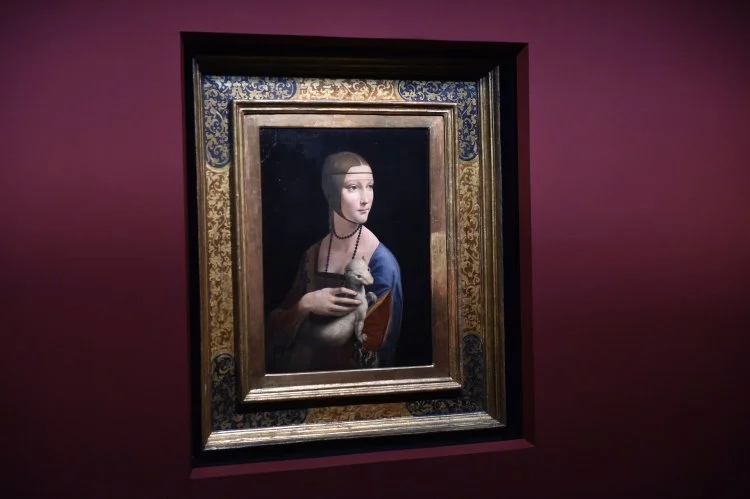
Czartoryski Museum
Poland has its own Mona Lisa — Leonardo da Vinci’s Lady with an Ermine. The painting was purchased in by the influential Polish noble family, the Czartoryski, and today it is housed in the family’s museum. Lady with an Ermine is just as mesmerizing as the Mona Lisa, yet you can admire it in a much more intimate setting.
-
![]()
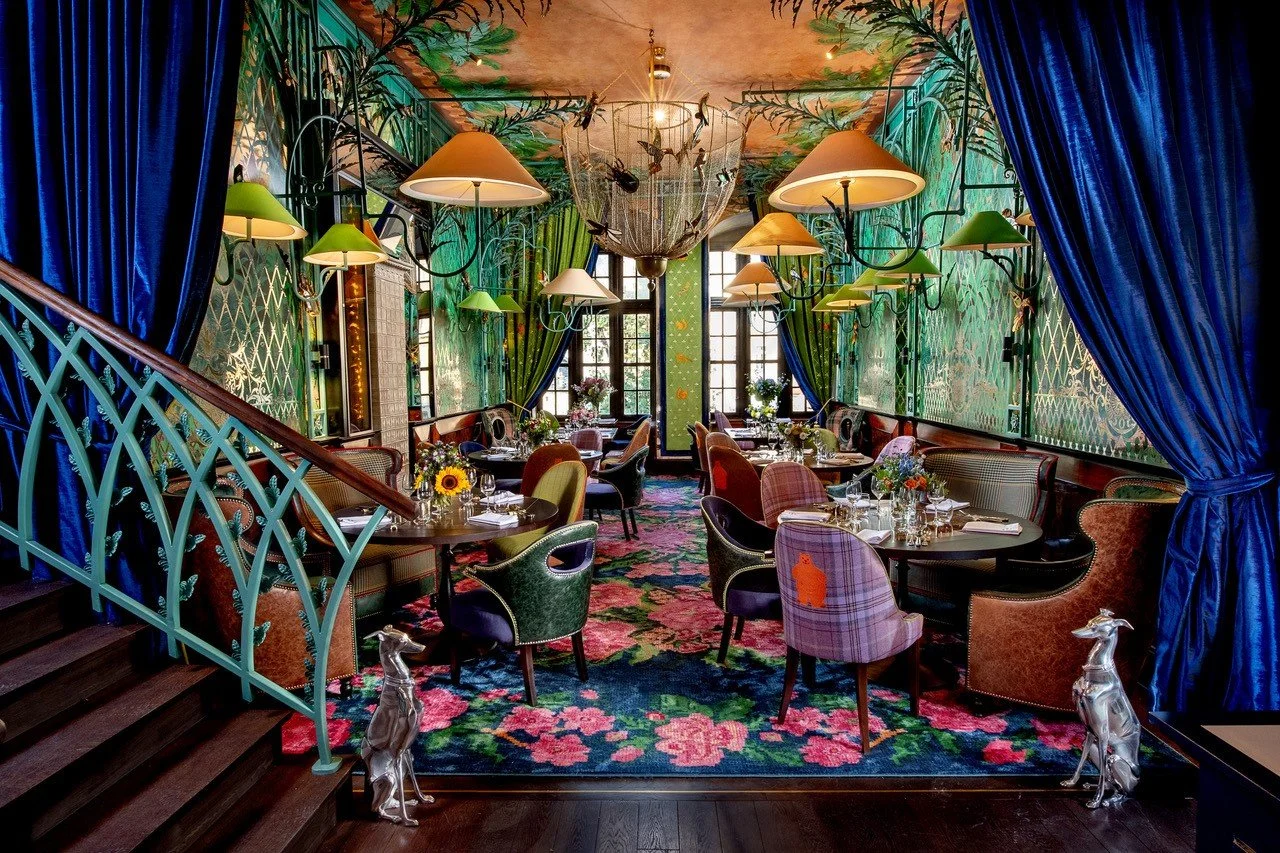
Szara Gęś Restaurant
We celebrated Kady’s birthday at this restaurant! It’s an excellent place serving classic Polish cuisine, especially its variations on goose (the restaurant’s name literally means “grey goose”). It may not be the cheapest, but the experience is worth every penny — we had a wonderful evening there!
-
![]()
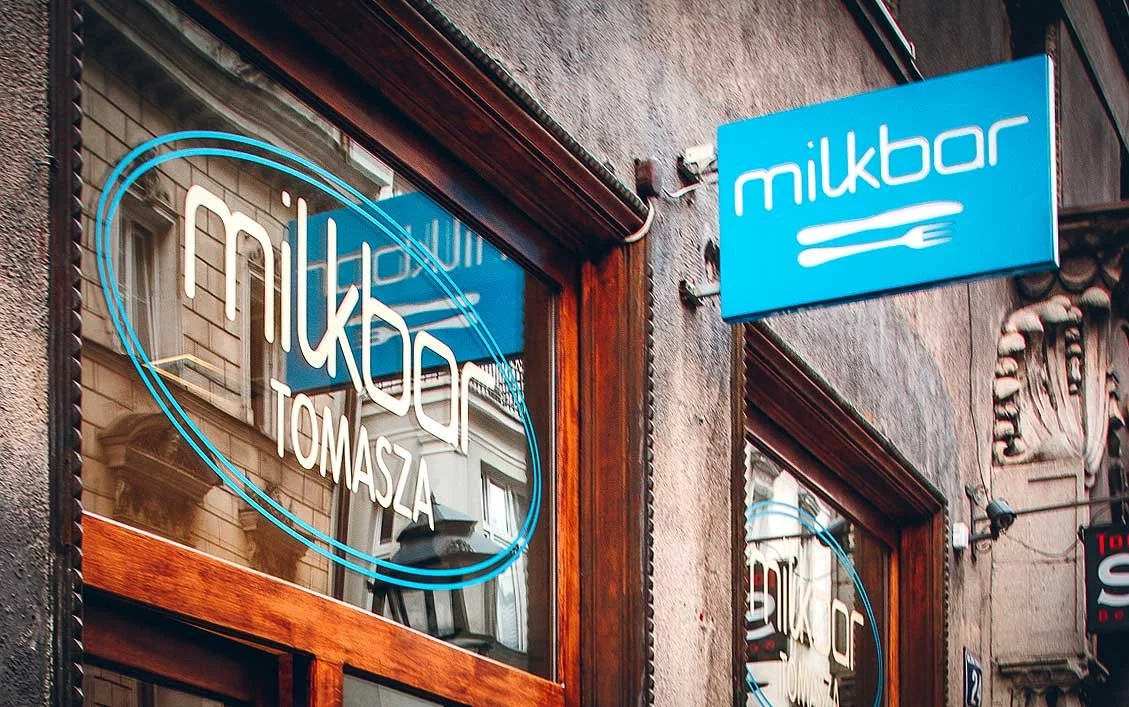
Milkbar Tomasza
Back in communist times bary mleczne (milk bars) were state-subsidized canteens serving simple, home-style meals. Today, although most milk bars are no longer publicly funded, they still enjoy great popularity. One such place is Milkbar Tomasza, which offers tasty daily lunch sets at very affordable prices.
-
![]()
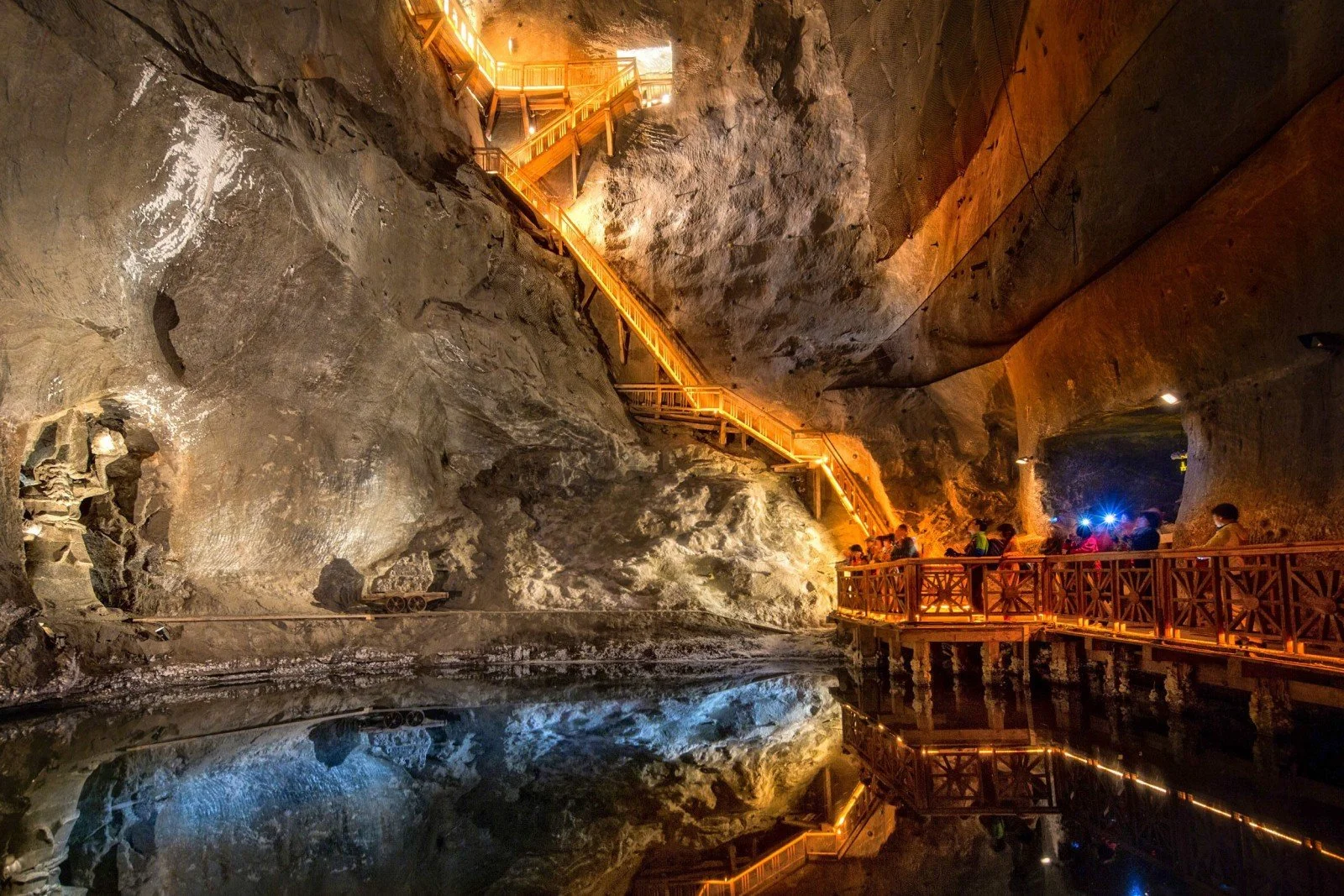
Wieliczka Salt Mine
This UNESCO World Heritage salt mine near Kraków impresses not only with its size but also with its stunning chambers carved into the rock. One of the most magnificent is the Chapel of St. Kinga, where masses and concerts are held (it’s even possible to get married there, though that would be a bit too extravagant).
Wrocław
We visited Wrocław together in the summer of 2024, because Hubert didn’t know the city very well, and it is considered one of the fastest-growing cities not only in Poland but in all of European Union.
This remarkably cosmopolitan city, which for centuries shifted between Czech, Polish, and German influence, returned to Poland only after the Second World War and became home to many Poles who had been forcibly relocated from Lviv (which became part of Ukraine). Here you’ll find an intriguing blend of post-German, medival heritage, echoes of Lviv’s cultural bohemia, and all of this topped off with local, Silesian cuisine (Silesia is a distinct region in Poland with its own dialect — somewhat like Catalonia in Spain). It’s also an excellent starting point for continuing your journey further southwest toward Prague or Dresden.
How to get there:
If you decide to travel by car from Radom, you need to head west on road no. 12 toward Łódź, and then merge onto the S8 expressway, which connects Warsaw and Wrocław. The journey will take a little over four hours, about half of which you’ll spend on the truck-congested road no. 12. That’s why a more comfortable option is the train, which will take you from Radom Główny station to Wrocław Główny station in roughly the same amount of time.
Where to stay:
In recent years, Wrocław has been trending as a tourist destination, so you’ll find many hotel options across a wide price range, such as Monopol (right across the opera house), The Granary La Suite, or PURO (located next to one of the city’s musical and architectural landmarks — the National Forum of Music).
-
![]()
The Market Square
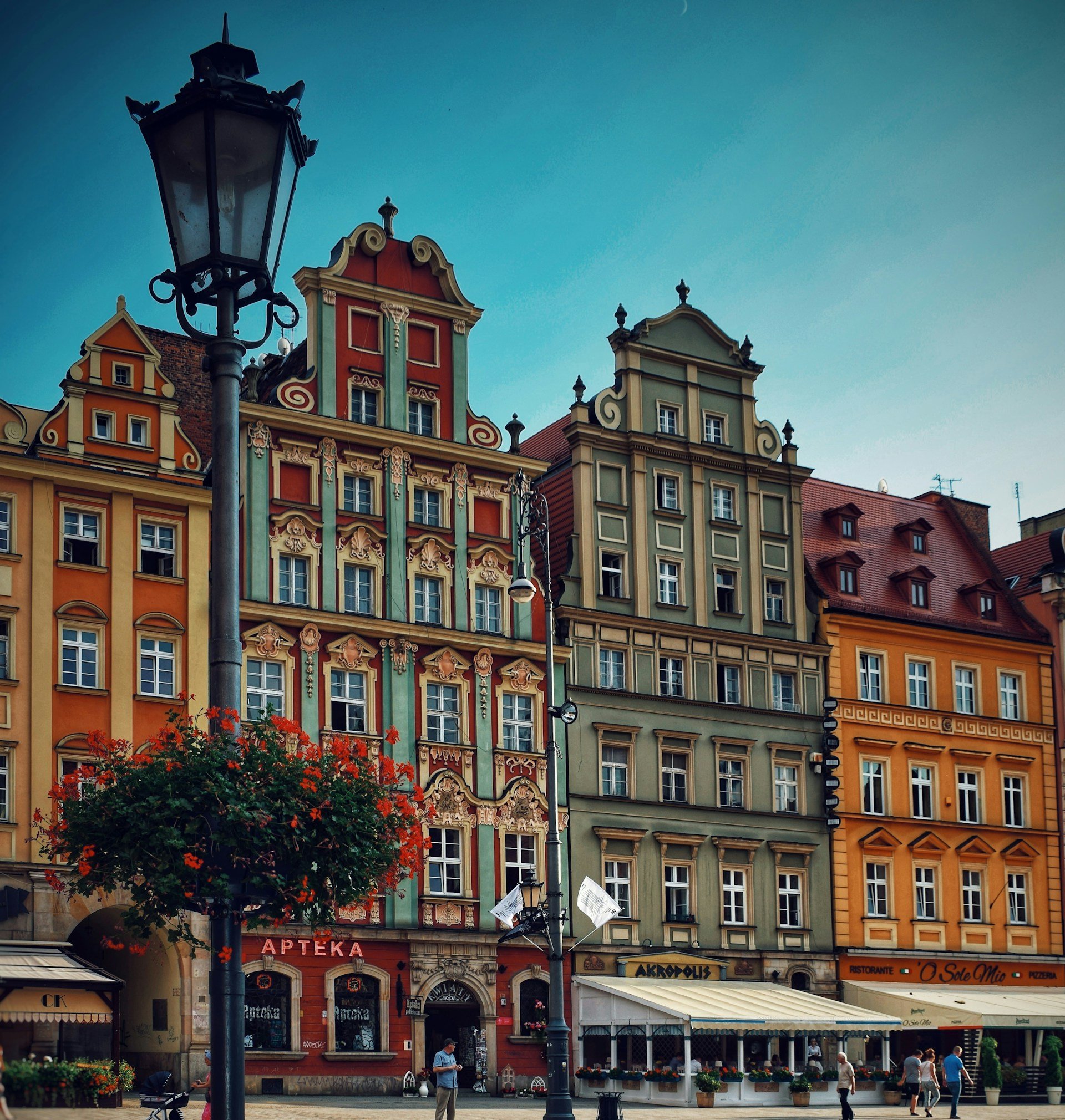
Wrocław’s Market Square is the second largest in Poland (after that in Kraków) and features a magnificent town hall at its center, surrounded by a cluster of small buildings that once served as merchants’ stalls. Be sure to stop by the Spiż brewery located in the town hall’s cellars — Wrocław is famous for its craft beers!
-
![]()
Panorama of Racławice
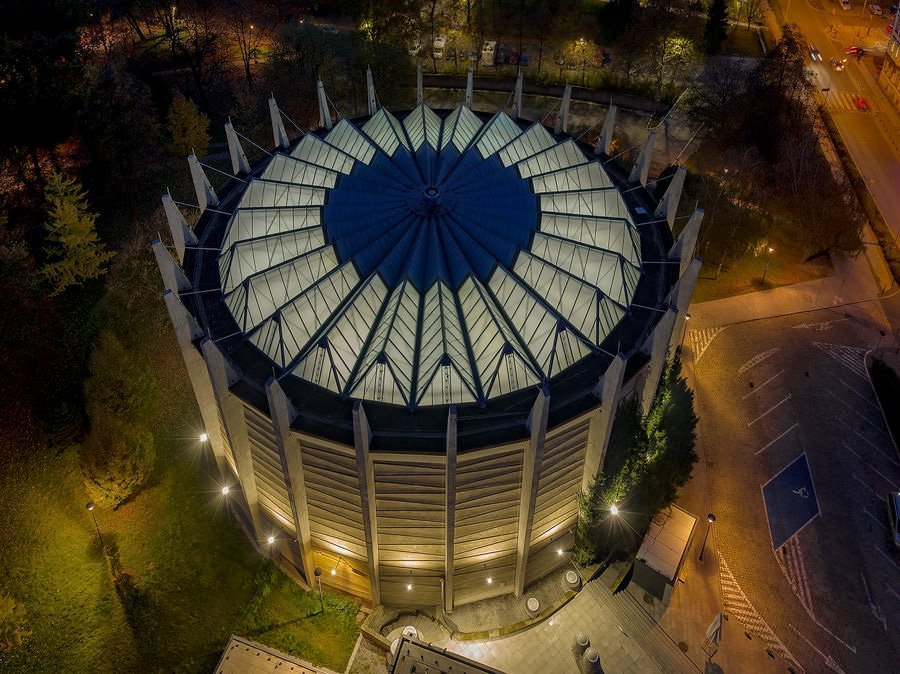
A unique example of battle painting in the form of a 360-degree panorama, depicting one of the most important battles in Polish history — the Battle of Racławice. Painted in 1894 by two artists in Lviv, it was transported to Wrocław after the war, where a special rotunda was built for it, and where it can still be admired today.
-
![]()
National Forum of Music
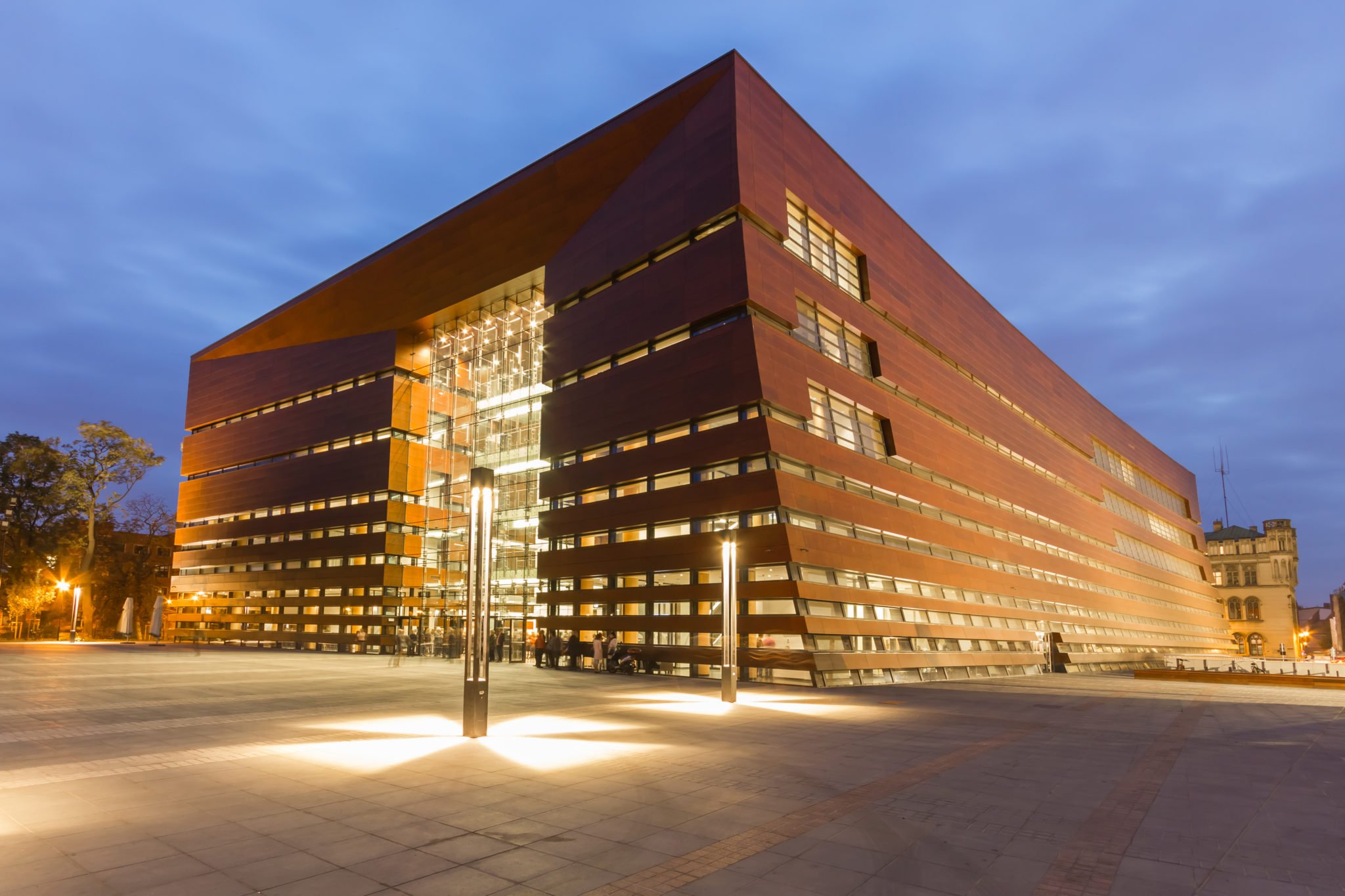
This modern concert hall, built in 2015, is home among others to the Wrocław Philharmonic and serves as one of the city’s musical landmarks. It is renowned for its perfect acoustics. Its shape and façade are designed to look like the body of an enormous string instrument.
-
![]()
Targowa Craft Beer & Food
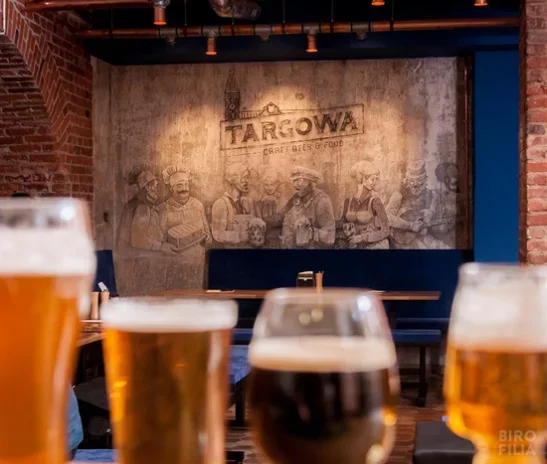
A great place to try the local cuisine (like the traditional beef roulade with bacon and Silesian dumplings) and craft beers. The restaurant is located in a historic market hall by the boulevards, which are also perfect for evening walks along the Odra River, with views of the church towers of Ostrów Tumski on the opposite bank.
-
![]()
Art Cafe Kalambur & Stare Jatki
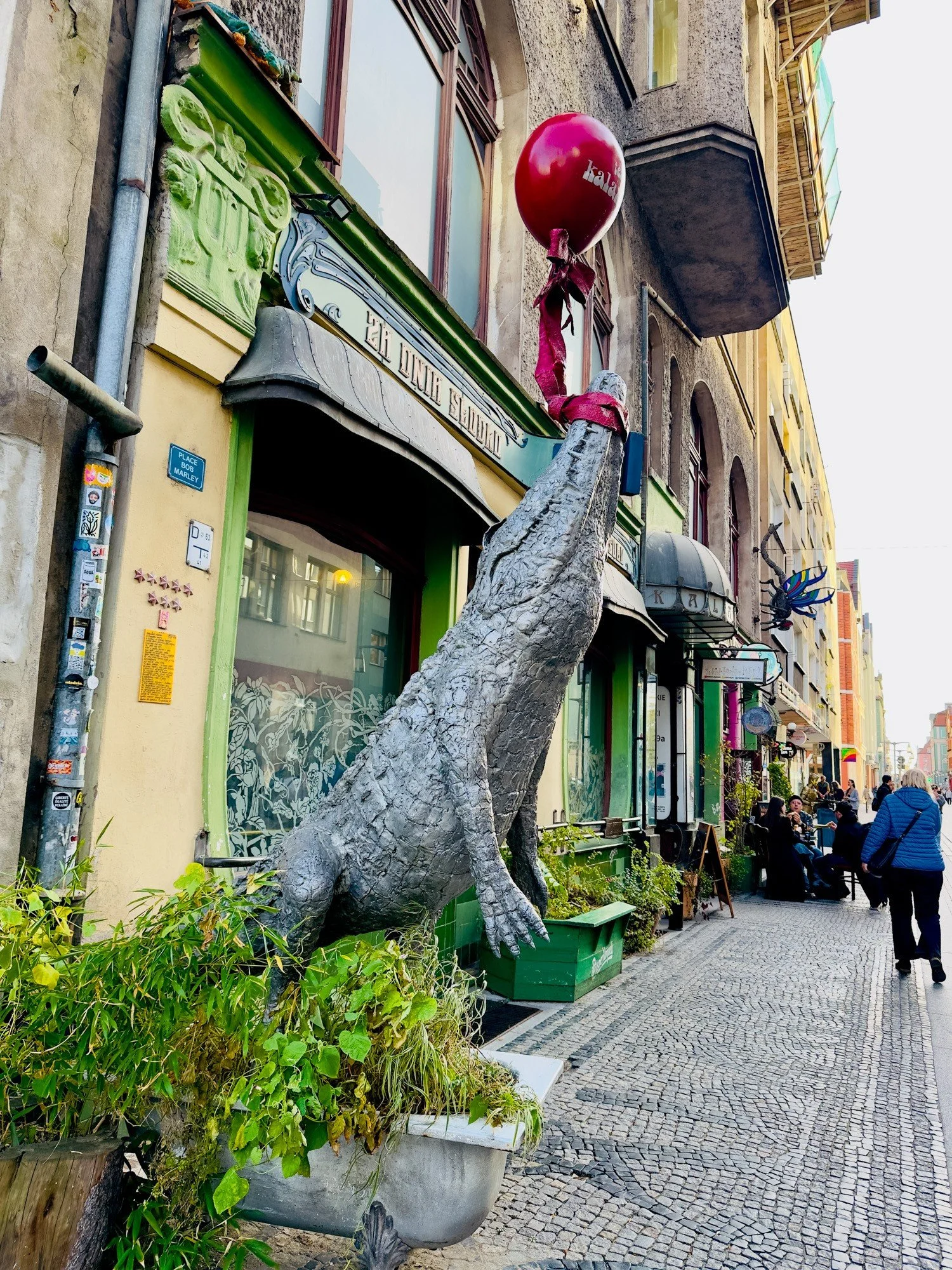
Wrocław is famous for its student life — in the northern part of the Old Town, there is a university campus where you can find plenty of cozy bars and pubs, including Kalambur with an interior inspired by Art Nouveau. A few blocks to the west, the Stare Jatki — a complex of little art galleries housed in old butcher shops — is also worth a visit.
-
![]()
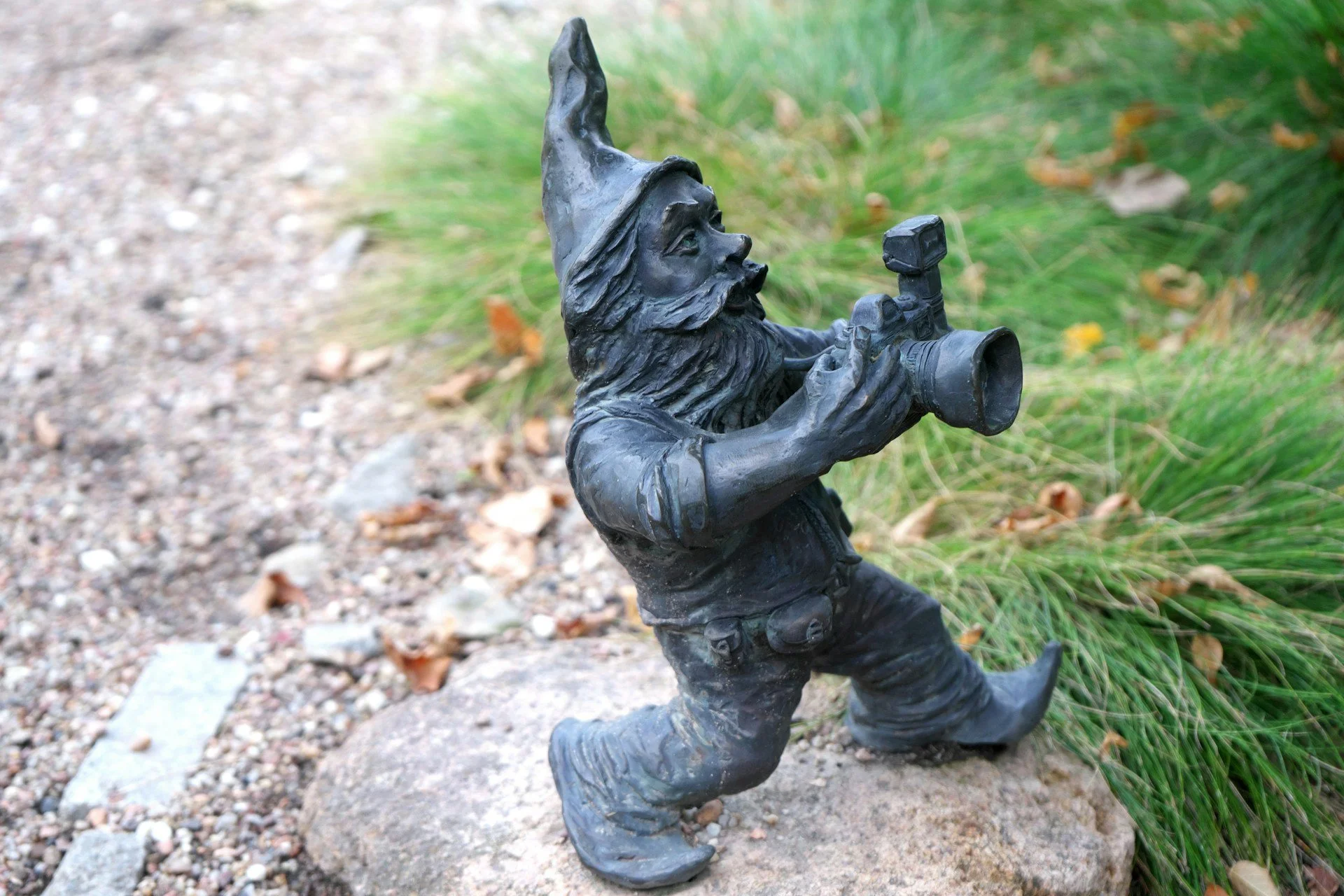
Dwarves!
Wrocław is also famous for its tiny dwarf sculptures, which can be found throughout the city! They became a symbol of the city thanks to the anti-communist movement of the 1980s, which painted dwarfs as graffiti on Wrocław’s buildings. Allegedly, there are 1,170 dwarfs in total, although we didn’t count them ourselves.
Rick Steves on Poland!
If you're looking for more tips on how to spend your time in Poland, Rick Steves recently published a piece about Poland on his YouTube channel. And when it comes to guidebooks, I recommend the DK Eyewitness series, which I use myself when traveling to new destinations.